Book a stay

Culture

The custom of the bride carrying water after the wedding of the Lu people

More importantly, carrying water after the wedding is not an imposed obligation, but a socially ingenious initiation ritual. It is a way for the woman to officially step into her husband's clan network through a respectful introduction.
Written by Vi Heritage Team◷ 2 minute read
The custom of the bride carrying water after the wedding of the Lu people

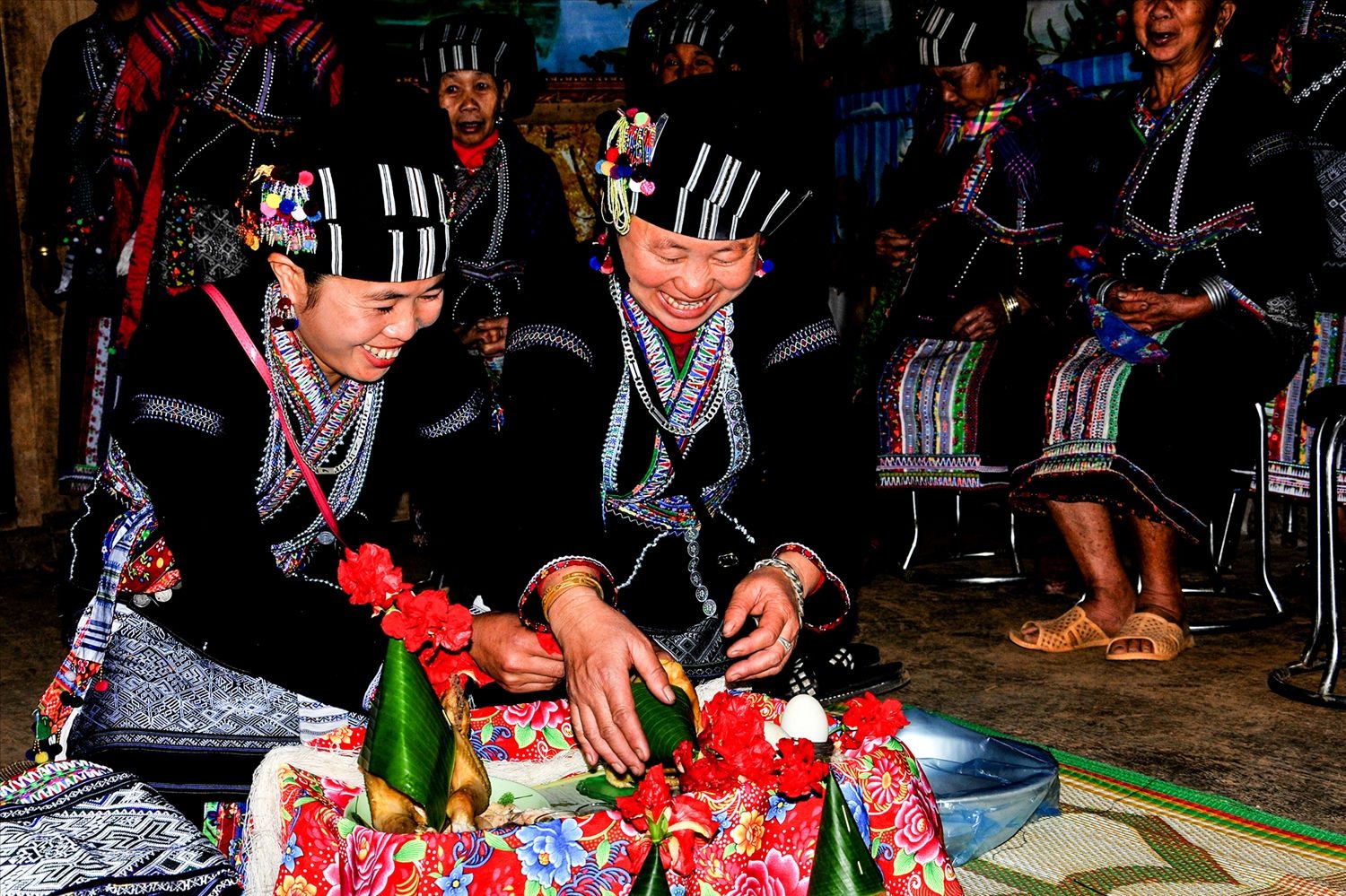
In the land of Nam Tam (Lai Chau), home to the Lu people, it has been a long-standing tradition for a new bride, following her wedding day, to perform a customary task: carrying water from the stream to offer to each of her husband's close relatives. At first glance, amidst the chaos of wedding preparations, seeing a bride stooped under the weight of heavy water buckets along village paths might evoke sympathy, leading one to believe it is an outdated custom that places an unfair burden on women.

However, if we judge only by this superficial layer, we overlook the profound humanistic meaning and the subtlety in the conduct of our ancestors.

According to the traditional customs of the Lu people, each load of water the bride delivers to her relatives is never a one-way gesture. In return for this gift of sweat, the host gives the bride a gift, most commonly a chicken. At first glance, this may seem like a trivial exchange. But more deeply, the material gifts accumulated from these water loads, and from the first pot of rice cooked for the clan, serve as precious initial capital. It represents the collective support, sharing, and practical assistance of the entire clan to help the young couple begin building their new home.

More importantly, the post-wedding water-carrying ritual is not an imposed obligation, but a skillfully designed social initiation. It is a way for a woman to officially enter her husband's clan network through a respectful introduction. Visiting each house and setting down the heavy loads is also how the bride weaves close relationships, building a solid social foundation for herself. Later on, this network of affection will become a sturdy support system, ensuring the economic and spiritual well-being of the small family as they navigate life's challenges.

Vi Heritage - Respecting indigenous values, securing a sustainable future.

Ready for the journey?
Stay within the stories of Vietnam

Find a place to stay closer to the land you want to explore.
Explore accommodations →

Stories on the same topic

See all →
A path of livelihood for heritage to live on

Culture

A path of livelihood for heritage to live on

Looking back at tens of thousands of years of history, from when prehistoric humans picked up seashells, bamboo sticks, and stone blocks to craft tools, through the agricultural revolution and Neolithic pottery, to the brilliant Bronze and Iron Ages, handicrafts have never been static objects. They are a means of survival, the very flesh and blood of life.

→
The buffalo is the foundation of a farmer's livelihood

Culture

The buffalo is the foundation of a farmer's livelihood

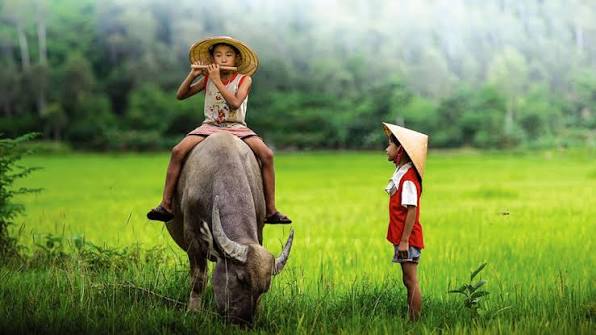
From water buffalo pulling plows in the valley fields and hauling timber in the high mountains, dragging loads without the need for wheeled carts... to the buffalo carts trudging along the mountain paths of the Truong Son range, the water buffalo has fully shouldered the mission of livelihood for the entire Vietnamese nation.

→
The thousand-year journey of Betel and Areca

Culture

The thousand-year journey of Betel and Areca

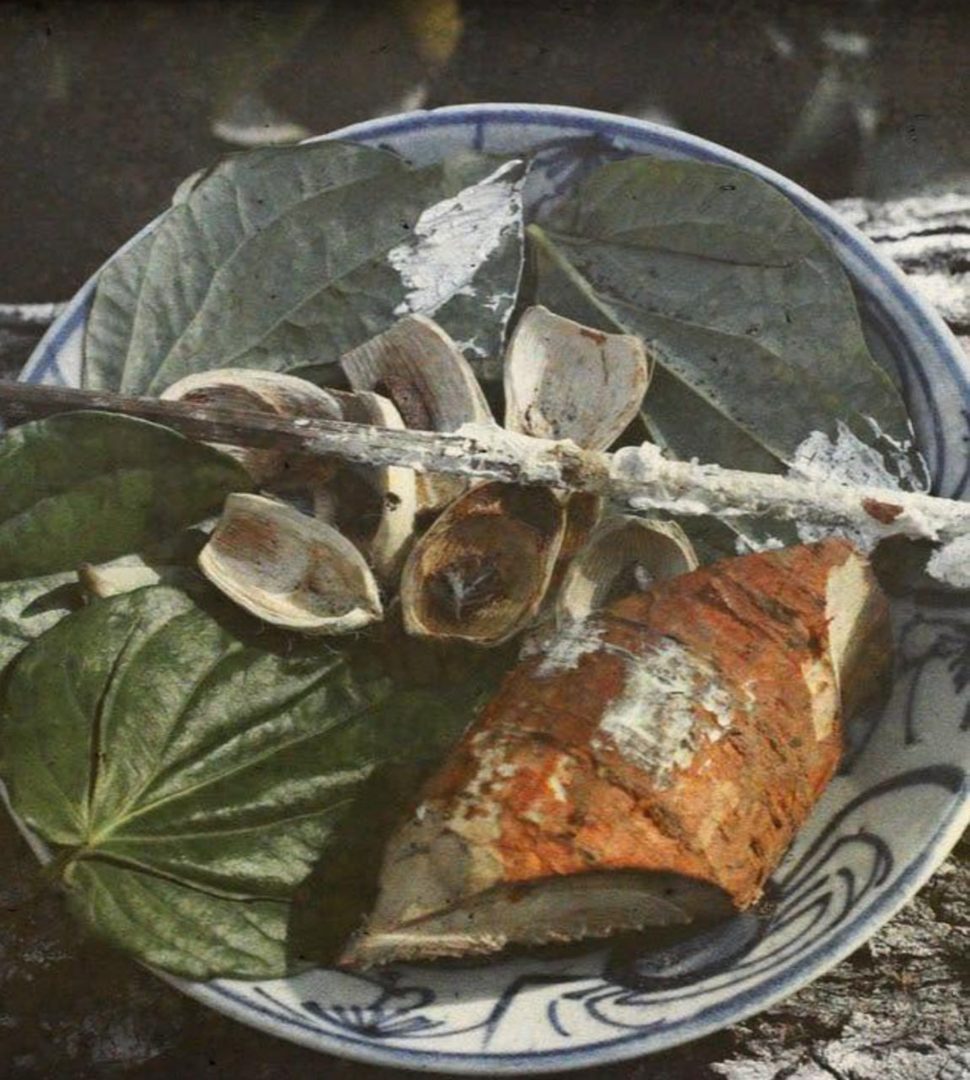
"The betel quid is the beginning of every story." For generations, the image of the phoenix-shaped betel quid and the green areca nut has been woven into the spiritual life, customs, and soul of the Vietnamese people, becoming a unique cultural symbol that cannot be mistaken for any other.

→