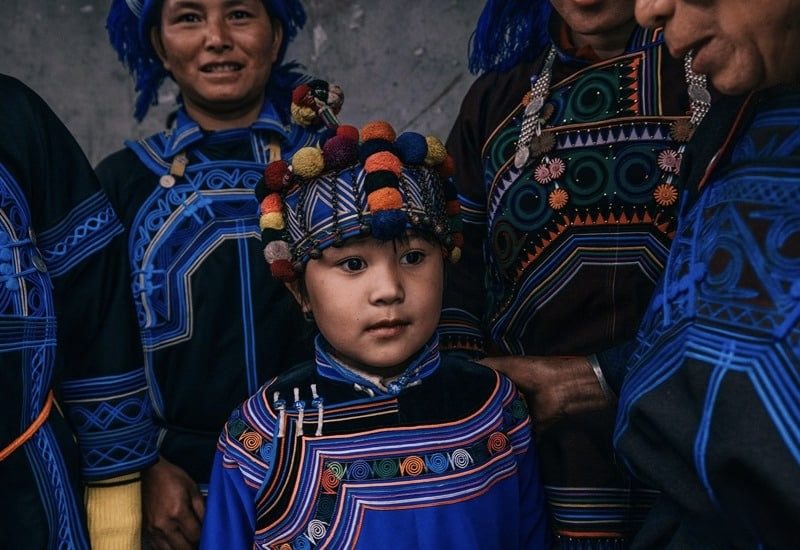
There are cultures that do not preserve their memories through brilliant written records, but rather carve their faith into the shadows of the kitchen corner, into sacred stones, and into wordless silences. Heading up to the borderlands of Bat Xat, Lao Cai, hidden among the clouds and primeval forests, the Black Ha Nhi community still preserves a deeply unique spiritual depth: the belief in ancestor worship.
For them, the living and the dead are not separated by the realms of yin and yang, but rely on each other through delicate and sacred bridges.
Unlike many ethnic groups that practice exhumation, the Ha Nhi choose their burial grounds very carefully so that the departed may rest in eternal wholeness. Yet, the grave is not the end. In their consciousness, the souls of grandparents and parents always linger, protecting the descendants who continue to breathe in this world.
Because of this belief, when building a grave, family members are always careful to place stones to form a small window at the head of the tomb. That window is a sacred exit for the soul to leave, following the footsteps of their descendants to visit the home and reside on the ancestral altar during every ritual. This small detail speaks volumes: death cannot imprison love, and the grave is merely a resting station, not a wall that divides a family.
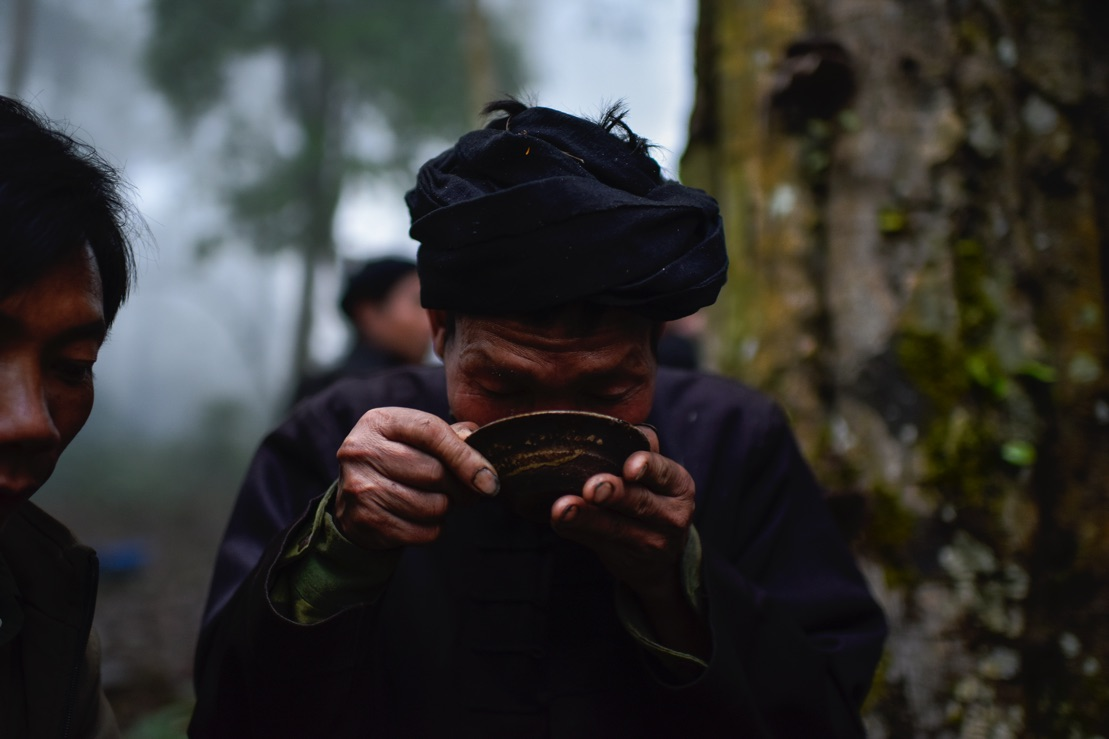
While the Kinh people typically place their ancestral altar in a majestic, brightly lit central room, the altar of the Black Ha Nhi is placed in a secluded, dark, and private corner within the daughter-in-law's room and the central living space. This altar does not stand alone but is always placed right next to the main hearth, the dwelling place of the kitchen god, "phu chu ma".
The kitchen corner becomes the most sacred space in the house. Women are strictly forbidden from stepping over or sitting carelessly around this area. Despite the strong patriarchal imprint, the Black Ha Nhi have a proverb full of humanity: "Khó chu mà hò, nhí chu mà phỉ" (Worshipping parents of the husband is not greater, worshipping parents of the wife is not lesser). The altar for the wife's parents is set up solemnly opposite the ancestral altar, and every time an offering is made, the head of the family carefully informs both sides of the family with equal respect.
The worship rituals of the Black Ha Nhi are a strange harmony of gender division and family discretion. Every dish offered to the spirits and ancestors is meticulously prepared by the hands of the wife or daughter-in-law. But when performing the ritual, the male head of the household will don his traditional attire, barefoot, and kneel before the altar.
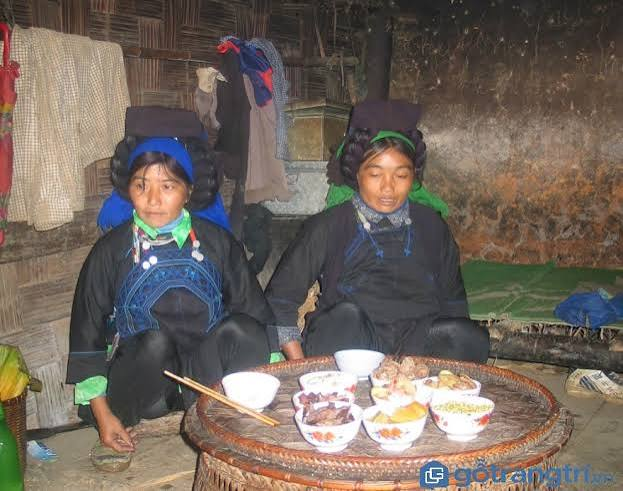
The most miraculous thing is that they do not recite prayers aloud. The head of the family touches his palms together, raises them high, then bows deeply to the ground, and only mentally contemplates his prayers for the ancestors' protection. These silent prayers do not vanish into thin air but are compressed into the consciousness, creating a sacred energy field that only those of the same bloodline can feel. This seclusion is so sacred that during ancestor worship rituals, strangers are strictly forbidden from entering the house or partaking in the sacrificial food.
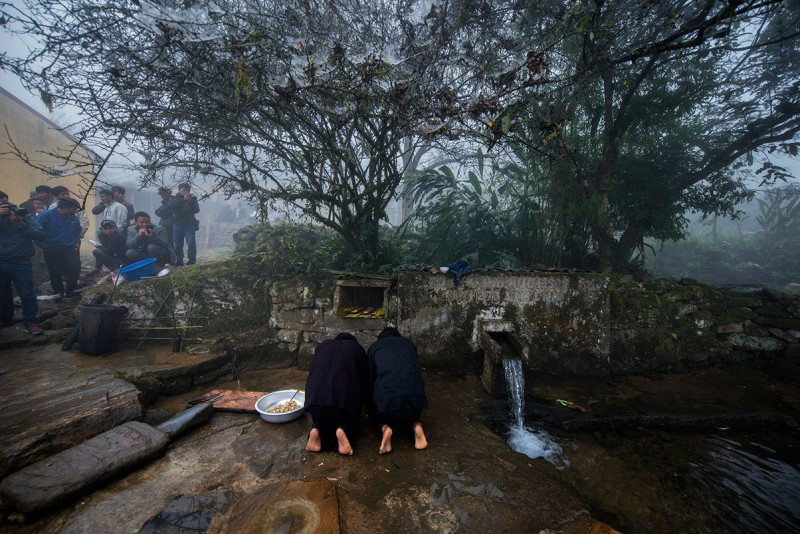
The Ha Nhi do not hold death anniversary rituals on the day of passing like the Kinh or the Hoa. Ancestors live with their descendants during the New Year ("ho su la ma"), forest worship ceremonies, ghost-chasing rituals, or the new rice festival. And perhaps the most beautiful, most feminine image in that series of rituals occurs on the night of the 30th of Tet. When the first rooster crows, the women of the family will quietly carry bamboo tubes to the village's sacred water source ("lu khu su") to fetch the new water. All things are cleansed, and the New Year's dishes are cooked from the very pure drops of water gifted by the spirits.
The ancestor worship culture of the Ha Nhi is not just about rituals. It is an art of maintaining the bond between the past and the present, between the roaring hearth and the vast wilderness. Preserving and understanding these layers of belief is how Vi Heritage strives to conserve a Vietnam that is diverse, authentic, and original in every breath.
Ready for the journey?