Amidst the high mountains and steep slopes, interspersed with valleys and the scorching sun of the Bac Ai highlands in Ninh Thuan, the Ra-glai people have for generations quietly relied on their swidden fields to build their lives. Yet, behind this enduring bond, swidden cultivation has long been subject to prejudiced views.
People often attach negative perspectives to it, viewing it as an outdated and inefficient form of production when compared to the wet rice fields of the lowlands. The slash-and-burn technique is labeled as an environmental destroyer, while swidden fields are seen as a primitive remnant of nomadic communities, characterized by a precarious and unstable society.
But if we slow down, listen to the stories, and carefully observe the cultivation process through the hands of the Ra-glai, we see a vast body of indigenous knowledge about adapting to nature. Swidden fields have never been barren lands exploited to exhaustion. On the contrary, they are lush, green spaces where humans live in harmony with nature. On each plot, alongside the staple crops of rice or corn, the people skillfully intercrop dozens of varieties of vegetables, tubers, and fruits, from pumpkin vines creeping across the ground to swaying hyacinth bean trellises.
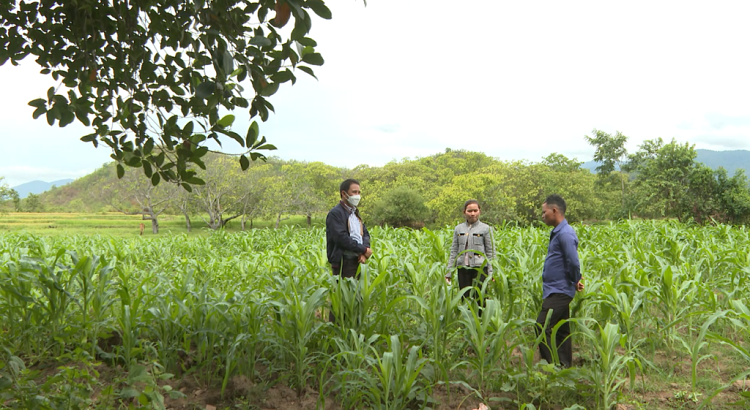
It is this technique of polyculture and intercropping that weaves a protective armor for the land. The Ra-glai in Bac Ai possess experience passed down through generations. After clearing the land, they plant pumpkins first so that the spreading leaves hold the soil firmly against erosion from mountain rains, before planting corn. They add nitrogen-fixing beans and hyacinth beans so that the fallen leaves return nutrients to the soil, keeping it fertile. Through the lens of agronomists, the labor invested in swidden fields is even more economically efficient than wet rice farming, as it provides complete self-sufficiency in food for the entire family without relying on chemical fertilizers or expensive irrigation systems.
Another major misconception often attributed to them is the story of nomadic life. In reality, the Ra-glai operate a system of rotational swidden cultivation following a scientific, closed-loop cycle, also known as fallowing. When they notice the soil beginning to lose its fertility after several seasons, they proactively leave that plot fallow for five to ten years to let the land rest and the forest regenerate, then move to cultivate another area within the community's boundaries. Amidst the harsh sun and wind of the tropics, this fallow cycle does not harm the environment; rather, it creates a miraculous natural revival for Mother Earth, while helping the people settle down and remain long-term in one village instead of wandering from place to place.
For Vi Heritage, respecting cultural identity means abandoning imposed prejudices to listen to the voices of indigenous communities and understand how they rely on nature without destroying it. Only when livelihoods are linked to cultural preservation, and when indigenous knowledge is recognized for its true stature, will the fires on the thousand-year-old fields of the Ra-glai people continue to burn brightly, nourishing the enduring heritage of the country.
Ultimately, these prejudiced assessments stem from one-sided perspectives, where people use the yardstick of valley and lowland wet-rice culture to impose upon the mountain forest landscape. Such an awkward comparison inadvertently obscures the sophistication of a highly adaptive livelihood method. It is time for us to view the Ra-glai's swidden fields not just through economic figures, but with cultural empathy, to see within them a love for the land, the wisdom of ancestors, and a persistent, enduring rhythm of life amidst the great forests.
Ready for the journey?